Doing Nothing, For a Fee: The Strange American Market for Structured Emptiness
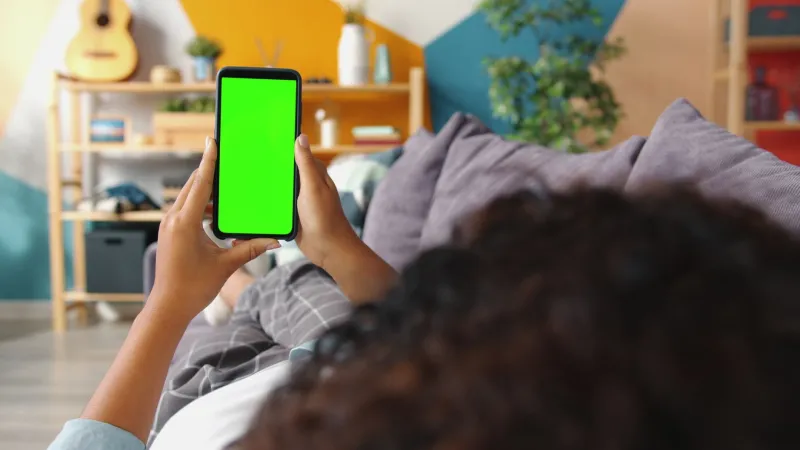
Somewhere in America right now, a person is staring at a phone screen that shows nothing but a slowly expanding circle. The circle is the product. The person paid for the app. The instructions, when they appear, read like a dare: Do nothing for ten minutes.
Welcome to the newest corner of the wellness economy, where emptiness itself has a subscription tier.
The Rise of the Zero-Input App
The category has no settled name, but its outlines are clear. A wave of meditation and digital-detox applications — the kind that clutter the top charts every January and every burnout season — have converged on a paradoxical pitch: they offer less. Timers with no guided voice. Screens that go blank on schedule. One popular offering bills itself, with a straight face, as "a place to be bored." Another sends a single notification a day that says, simply, stop.
Users report, often with genuine wonder, that these apps work. The structured absence — a container for silence, a permission slip to pause — gives them something the open invitation to relax never did. Americans, it seems, do not know how to do nothing until someone sells them the doing of it.
It is tempting to mock this. It is also, I would argue, only half the story.
What the Apps Accidentally Remembered
Strip away the pastel interfaces and the annual pricing, and these applications are doing something old. The ma of Japanese aesthetics, the shoonya of Indian philosophy — these were never raw, unstructured voids. They were framed emptinesses. The pause in a raga is framed by the drone. The silence in Kabir's verse is framed by the lines around it. The empty space in a rangoli is framed by the pattern that surrounds it.
The zero-input app is, whether its developers know it or not, a frame. The timer is the boundary; the blank screen is the threshold. What the user buys is not nothing — it is a vessel that makes nothing possible. In that sense, the apps have stumbled onto something true: emptiness, in the traditions it comes from, has always required a container.
The traditions would recognize the object. They would be less sure about the transaction.
The $9.99 Question
Here is where opinion must do its work. Can emptiness be commodified without losing its essence?
The skeptical answer is that a subscription model quietly corrupts the thing it sells. Shoonya, at least as the old texts describe it, is not a service rendered by another party. It is a recognition — that the ground of experience was never something to acquire, because it was never absent. Charging monthly for it risks the same category error as selling someone a mirror to show them their own eyes: technically possible, philosophically absurd. Worse, the paywall manufactures a dependency. The app that grants you permission to stop also teaches you that permission must be purchased. Emptiness becomes one more thing to renew.
The generous answer is more complicated. Every contemplative tradition in history has charged something for its doors — alms, offerings, years of service to a teacher. A $9.99 monthly fee is, at minimum, an honest transaction: no guru's charisma, no metaphysical baggage, just a timer and a blank screen. If a burned-out nurse in Ohio finds ten minutes of genuine stillness inside a paid app, the philosophers of the void would be small-minded to begrudge the fee.
The Poet's Verdict
I keep returning to the image of the dangling line — the verse that ends mid-breath, leaving the reader standing in the space where the poem stopped. The great practitioners of shoonya in poetry understood that emptiness cannot be handed over. It can only be opened, and then it belongs to whoever steps through.
The zero-input apps, at their best, are opening doors. At their worst, they are charging rent on a room that was never theirs. The difference is not in the product — the product, after all, is nothing. The difference is in what the user is told they are buying. The honest app would say so: we are not selling you emptiness. We are selling you the frame. The emptiness was always yours.
That sentence would never survive a marketing meeting. It might be the truest thing the wellness industry could say.